


 sales@baoxincz.com

What is a Gear Wheel?
 Oct 28, 2025|
 View:1102
In the fields of machinery and industry, the gear wheelis a ubiquitous and critical component, widely used in automobiles, mechanical equipment, and even everyday household appliances. Whether you are an engineer, a student, or simply an enthusiast, understanding the basics of a gear wheel can help you better grasp how modern technology operates.
Basic Concepts of a Gear Wheel
In this section, we will delve into the core definition and components of a gear wheel to help you build a fundamental understanding of it. A gear wheel is a mechanical component, typically made of metal or plastic, used to transmit rotational motion and power. Its design is simple yet highly efficient, making it an indispensable part of many devices. By understanding the composition of a gear wheel, you can better appreciate its role in mechanical systems.
What is a Gear Wheel?
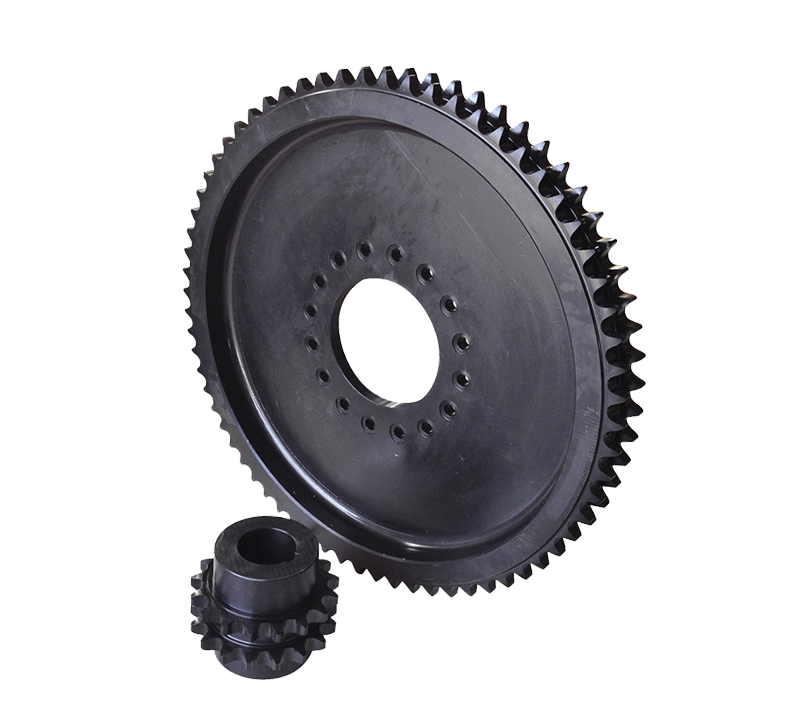
A gear wheel, often referred to as a gear in Chinese, is a toothed wheel-like part that usually meshes with other gears or chains to change speed, direction, or torque. For example, in a bicycle, gear wheels help the rider adjust the resistance of the pedals for easier cycling. Essentially, a gear wheel transmits power through the meshing of its teeth, which is an efficient method of energy conversion. Its history dates back to ancient times, but modern gear wheels have made significant advancements in precision and materials, allowing them to play a greater role in industry.
Components of a Gear Wheel
A typical gear wheel consists of several key parts: teeth, the hub, and the bore. The teeth are the core of the gear wheel, and their design directly affects meshing efficiency; the hub is the main body of the gear, providing structural support; and the bore is used for mounting onto a shaft. These components work together to ensure the stable operation of gear wheels. For instance, in high-load applications, the tooth profile of gear wheels is precisely calculated to avoid wear and failure. Understanding these parts will help you make informed decisions when selecting and maintaining gear wheels in the future.
Main Types of Gear Wheels
Gear wheels are not a single type but are divided into various variants based on shape, tooth profile, and application scenarios. Understanding these types can help you choose the right gear wheel for your specific needs. Different types of gear wheels have distinct characteristics in terms of efficiency, noise, and durability. This section will introduce common classifications and briefly explain their applicable scenarios.
Common Types of Gear Wheels
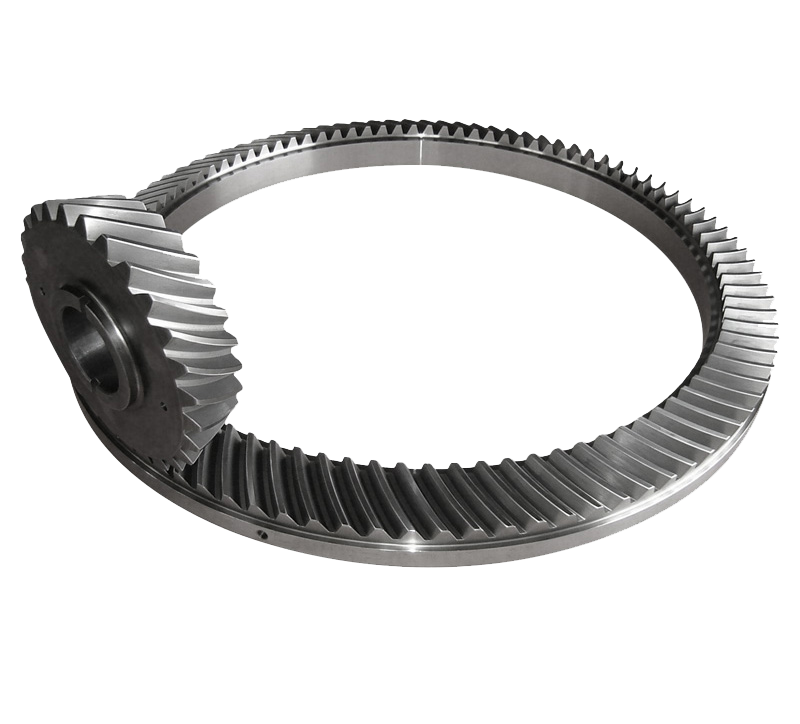
The most common types of gear wheels include spur gears, helical gears, and bevel gears. A spur gear is a simple gear wheel with straight teeth, suitable for low-speed, high-torque scenarios; helical gears have angled teeth that reduce noise and improve smoothness, often used in automotive transmissions; bevel gears are used to change the direction of transmission, such as in differentials. These gear wheels each have their own advantages, and factors such as speed, load, and space constraints must be considered when selecting them. By comparing different types, you can discover how the diversity of gear wheels meets various mechanical needs.
How to Choose the Right Gear Wheel?
When selecting the appropriate gear wheel, factors such as load capacity, rotational speed, material, and environmental conditions must be considered. For example, in high-humidity environments, stainless steel gear wheels may be more durable, while for high-precision applications, hardened steel gear wheels can provide a longer lifespan. After evaluating these factors, you can filter through the many gear wheel options to find the best match, ensuring efficient system operation. Remember, the right choice not only enhances performance but also reduces maintenance costs.
Working Principle of a Gear Wheel
Understanding how a gear wheel works is key to mastering its applications. This section will explain how gear wheels transmit power through meshing, as well as their efficiency and advantages. The principles are not complicated but involve basic mechanical mechanics. We will use simple examples to make it easy for you to follow.
How Do Gear Wheels Transmit Power?
Gear wheels transmit rotational motion and power through the meshing of their teeth. When one gear wheel rotates, its teeth push against the teeth of another gear wheel, thereby changing speed or torque. For example, if a large gear wheel drives a small gear wheel, the speed increases but the torque decreases, and vice versa. This principle is commonly seen in clocks or automotive transmissions, where the precise meshing of gear wheels ensures reliable power transmission. In this way, gear wheels achieve efficient mechanical transmission.
Efficiency and Advantages of Gear Wheels
The main advantages of gear wheels include high transmission efficiency (typically over 95%), reliability, and long service life. Compared to other transmission methods, gear wheels can reduce energy loss and adapt to high-load environments. For instance, in industrial robots, gear wheels ensure precise motion control. However, they also require regular lubrication to maintain performance. Understanding these advantages will help you realize why gear wheels are irreplaceable in many applications.
Application Areas of Gear Wheels
The application range of gear wheels is extremely broad, spanning from daily life to high-tech industries. This section will explore practical use cases of gear wheels in different fields, demonstrating their versatility and importance. Through these examples, you will see how gear wheels drive technological innovation.
Application of Gear Wheels in the Automotive Industry
In automobiles, gear wheels are the core components of transmissions and differentials, helping to adjust engine output to suit different driving conditions. For example, automatic transmissions use combinations of various gear wheels to achieve smooth shifting experiences. These applications require gear wheels to have high strength and wear resistance to ensure safety and performance. The advancement of the automotive industry largely relies on the optimized design of gear wheels.
Use of Gear Wheels in Mechanical Equipment
In industrial mechanical equipment, such as conveyor belts or machine tools, gear wheels are used to transmit power and control motion. They can improve production efficiency and reduce failure rates. For example, in manufacturing, customized gear wheels can adapt to the needs of specific production lines. These applications highlight the critical role of gear wheels in enhancing automation levels.
Through the explanations in this article, we have comprehensively answered the question, "What is a gear wheel?" From basic concepts to practical applications, we have covered the definition, types, working principles, and field uses of gear wheels. As the foundation of mechanical transmission, the importance of gear wheels is self-evident. If you are looking for high-quality gear wheel products, we strongly recommend choosing a professional gear wheel supplier. Baoxin, as a reliable manufacturer, offers a variety of specifications of gear wheels, ensuring performance and durability. Contact Baoxin today to find the perfect solution for your project!



View More(Total0)Comment lists