


 sales@baoxincz.com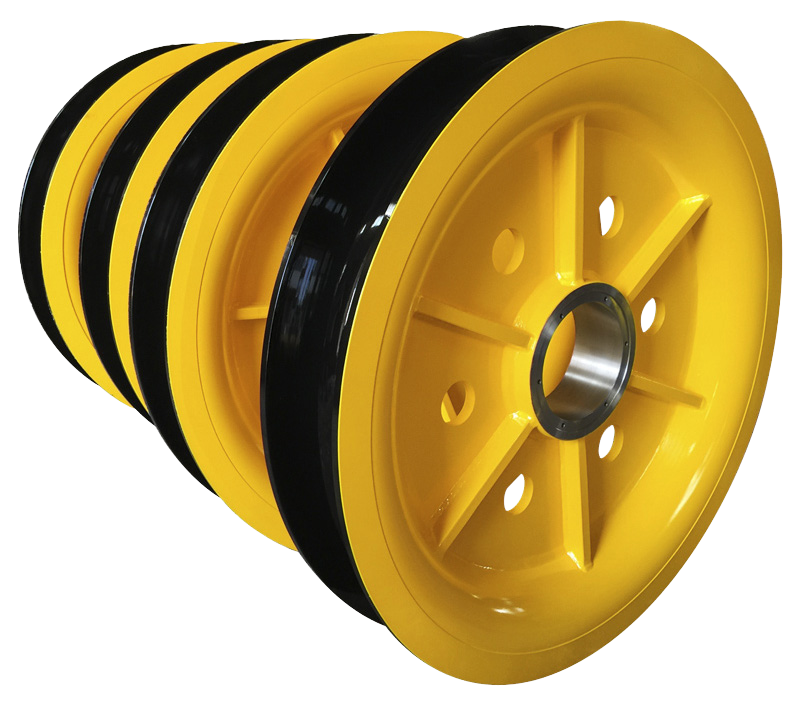

What is a Crane's Lifespan?
 Dec 16, 2025|
 View:1192
The lifespan of a crane is a critical concern for any business involved in construction, manufacturing, or logistics. There's no single answer, as it typically ranges from 20 to 50 years, heavily influenced by usage, maintenance, and the quality of its core components. Among these components, the crane sheaves play an unexpectedly vital role. This article explores the factors determining a crane's service life and how investing in high-quality parts, like precision-engineered sheaves in crane systems, can significantly enhance longevity and safety.
Key Factors Determining a Crane's Lifespan
Load Capacity and Design Class: Cranes designed for heavier loads and higher duty cycles (e.g., Class D or E) are built with more robust materials and engineering, inherently granting a longer potential lifespan. Quality of Components: The durability of individual parts, especially the crane sheaves, wire rope, and hoist mechanism, is paramount. High-quality components reduce wear and tear on the entire system.
Frequency and Intensity of Use: A crane operating 24/7 in a steel mill will have a shorter lifespan than one used occasionally in a warehouse. The number of lift cycles directly correlates with cumulative wear. Environmental Factors: Exposure to corrosive environments (e.g., coastal areas, chemical plants), extreme temperatures, and dust accelerates deterioration. Regular cleaning and protection are essential under such conditions.
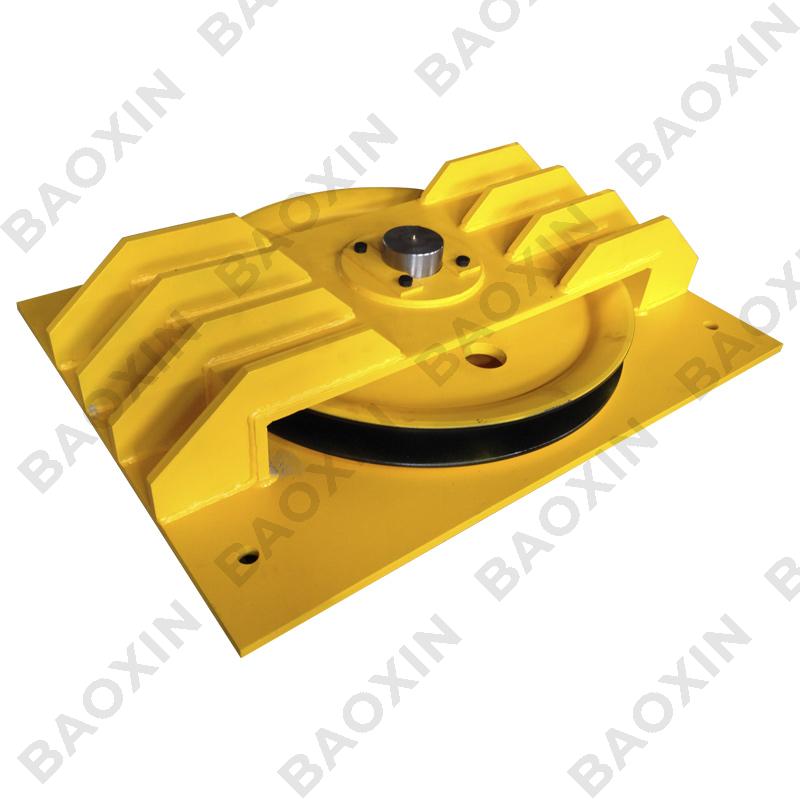
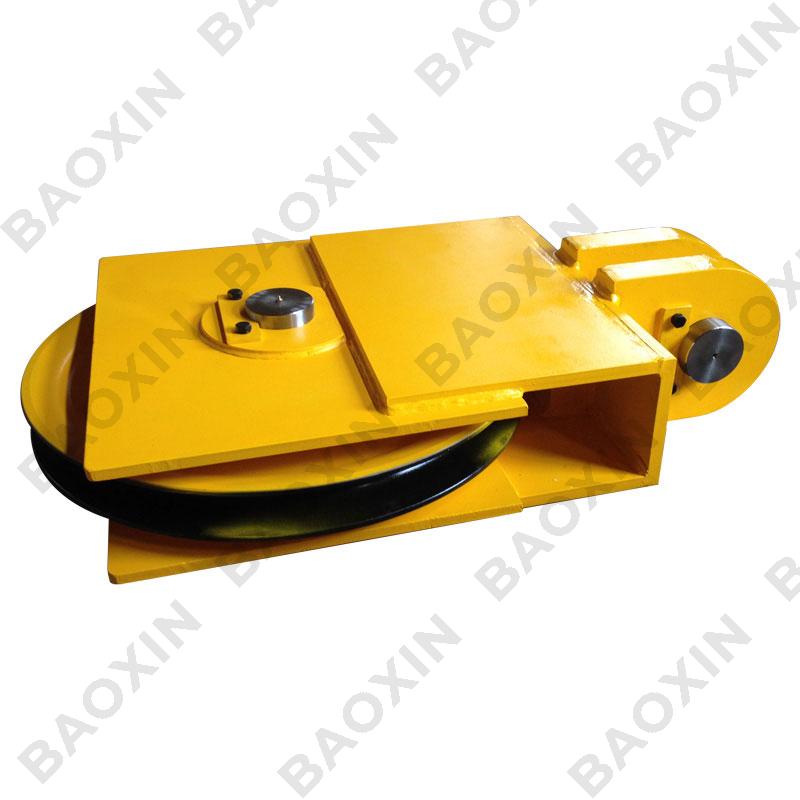
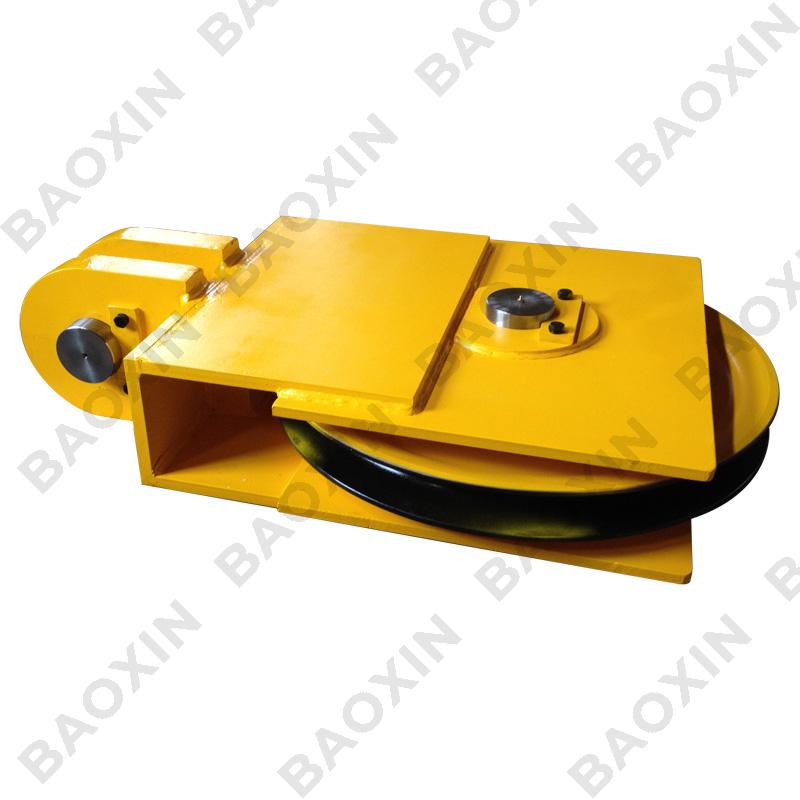
Preventive Maintenance Schedule: Adhering to a strict, manufacturer-recommended preventive maintenance plan is the most effective way to extend a crane's life. This involves regular inspections, lubrication, and adjustments. Component-Specific Care for Sheaves in Crane Systems: The crane sheaves require particular attention. Regular inspection for groove wear, cracks, and proper alignment ensures smooth wire rope operation, preventing catastrophic failures.
The Crucial Role of Crane Sheaves in Overall Longevity
Reducing Wire Rope Wear: Worn-out or damaged crane sheaves have rough or misshapen grooves. This causes excessive friction and abrasion on the wire rope, leading to premature rope failure—a major safety hazard and a costly repair. Preventing Misalignment and Strain: Properly maintained sheaves in crane systems ensure the wire rope travels correctly. Misaligned sheaves place uneven strain on the rope and the crane's structure, leading to accelerated wear on bearings and other mechanical parts.
How to Proactively Extend Your Crane's Service Life
Daily Visual Checks: Operators should look for obvious signs of damage, leaks, or unusual noises. Periodic Professional Inspections: Certified technicians should perform in-depth inspections quarterly or annually, depending on usage, with a focus on critical components like the crane sheaves.
Don't Wait for Failure: Replacing worn components beforethey fail prevents secondary damage. For instance, replacing a slightly worn crane sheave is far cheaper than replacing a snapped wire rope and repairing a damaged hoist motor. Choose Quality Over Price: Opting for OEM-equivalent or higher-quality replacement parts ensures compatibility, performance, and longevity. Inferior parts may save money initially but lead to more frequent downtime and higher long-term costs.
Partner with a Trusted Supplier for Critical Components like Crane Sheaves
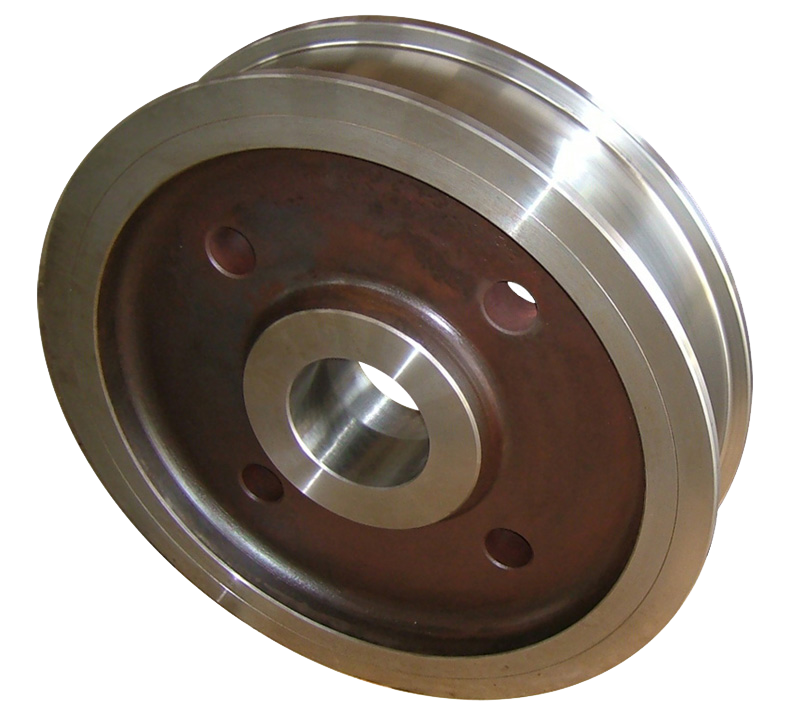
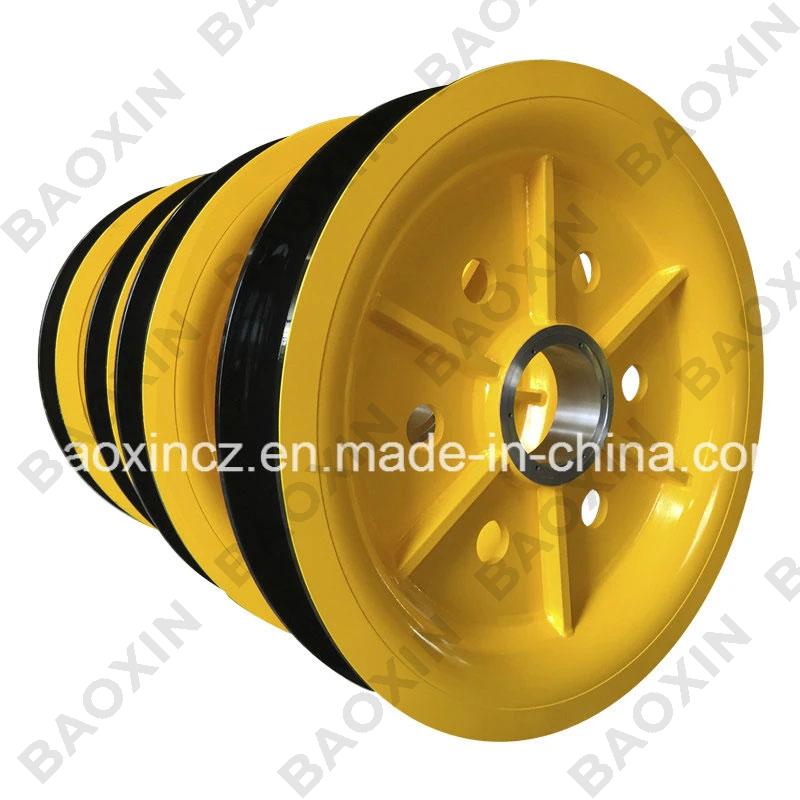
High-Strength Materials: We use superior alloys like 42CrMo and 20CrMnTi, chosen for their excellent wear resistance and toughness. Precision Manufacturing: Our advanced CNC machining and heat treatment processes (such as carburizing and quenching) ensure precise groove profiles and high surface hardness (HRC 55-60), minimizing wear on both the sheave and your wire rope. Rigorous Quality Control: Every crane sheave undergoes stringent testing, including material UT and magnetic particle inspection, to guarantee structural integrity and performance under load.




View More(Total0)Comment lists