


 sales@baoxincz.com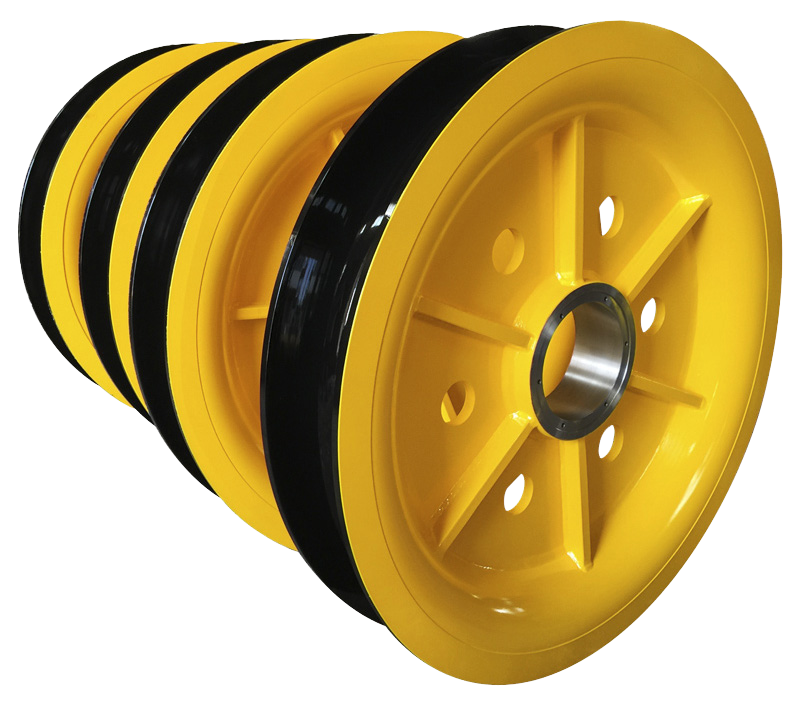

What is a Crown Wheel and Pinion?
 Sep 25, 2025|
 View:1421
In automotive, industrial machinery, and even agricultural equipment, the precision of power transmission directly impacts equipment performance and lifespan. As a key component in mechanical transmission systems, the Crown Wheel and Pinion achieves power steering and torque conversion through gear meshing, acting as the "heart" of the drive system. This article provides a comprehensive analysis of this core component, covering its basic principles and application scenarios.
I. Basic Structure and Working Principle of Crown Wheel and Pinion
1.1 Gear Meshing: The Bridge of Power Transmission
The Crown Wheel and Pinion consists of two core components:
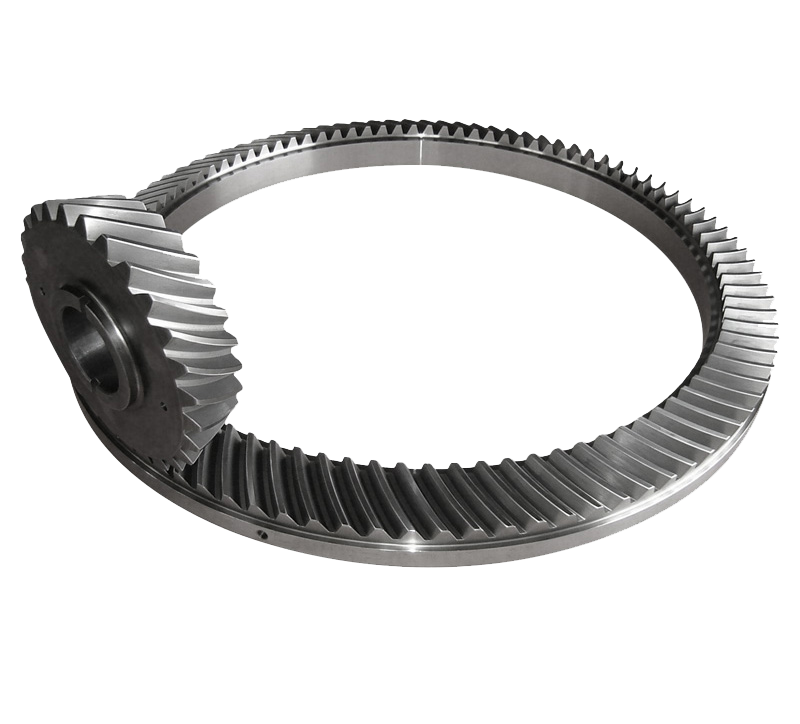
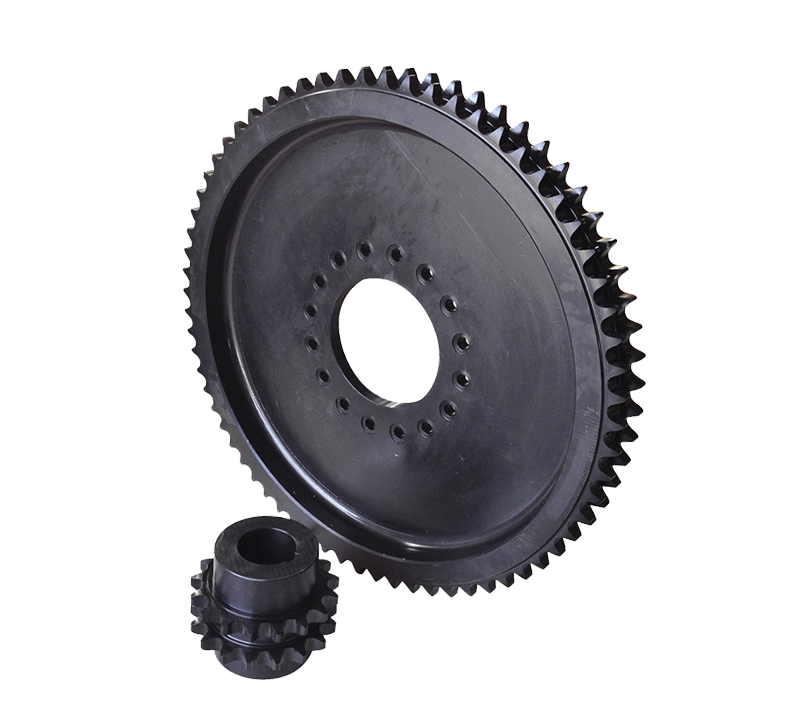
Crown Wheel: Typically a large bevel gear, fixed within the differential housing and connected to the drive shaft via bolts.
Pinion: A small bevel gear directly connected to the driveshaft and secured to the differential input end via bearings.
When engine power is transmitted through the driveshaft to the Pinion, its rotation drives the Crown Wheel, which then distributes power to the left and right wheels. During this process, the gear tooth profile design (such as involute tooth profiles) ensures smooth meshing and reduces energy loss.
1.2 Precise Control of Torque and Speed
The gear ratio (i.e., transmission ratio) of the Crown Wheel and Pinion determines the characteristics of power output. For example, in automotive differentials, a larger Crown Wheel with a smaller Pinion enables speed reduction and torque multiplication, providing greater traction at low speeds. Conversely, adjusting the transmission ratio during high-speed cruising optimizes engine RPM and improves fuel efficiency.
II. Three Core Application Scenarios of Crown Wheel and Pinion
2.1 Automotive Differentials: Balancing Drive and Steering
In automotive transmission systems, the Crown Wheel and Pinion is the central component of the differential. When a vehicle turns, the inner and outer wheels must rotate at different speeds to prevent skidding. The differential, through the meshing of the Crown Wheel and Pinion, distributes power to the left and right half-shafts while allowing rotational speed differences between the wheels. This design enhances driving safety and extends the lifespan of tires and the transmission system.
2.2 Industrial Machinery: Stabilizers for Heavy-Duty Transmission
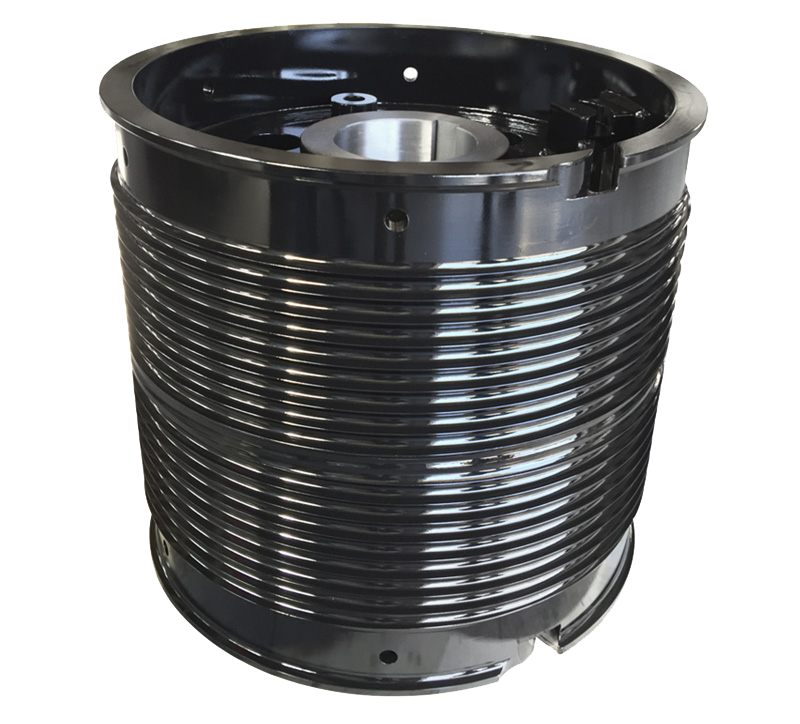
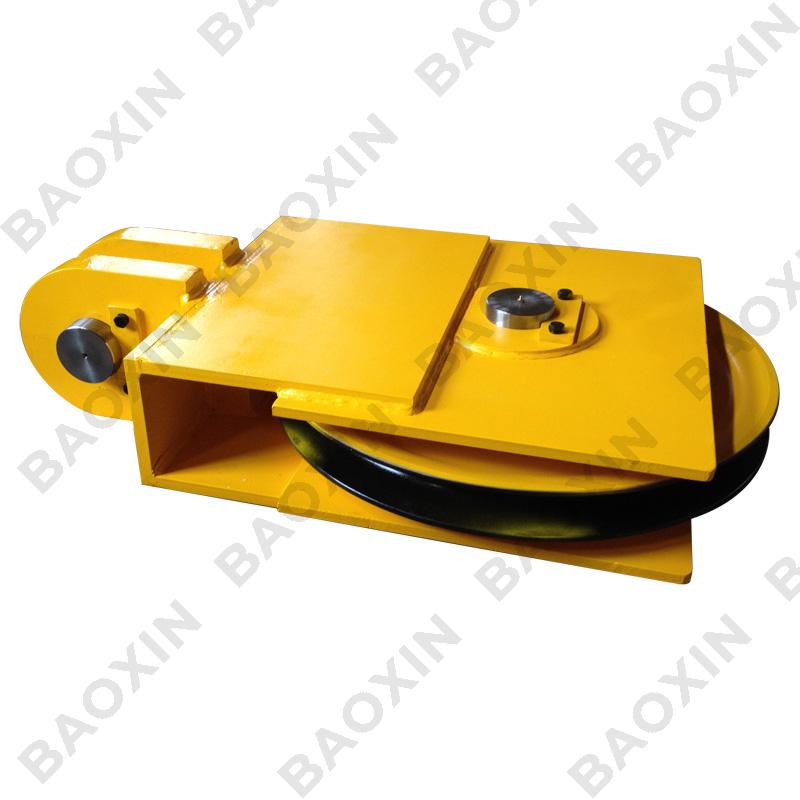
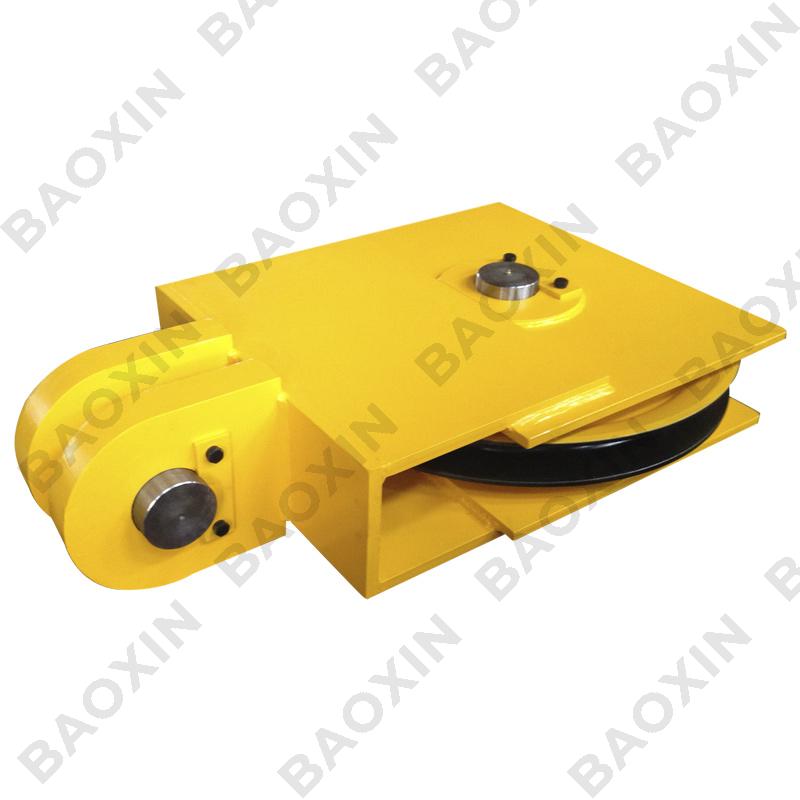
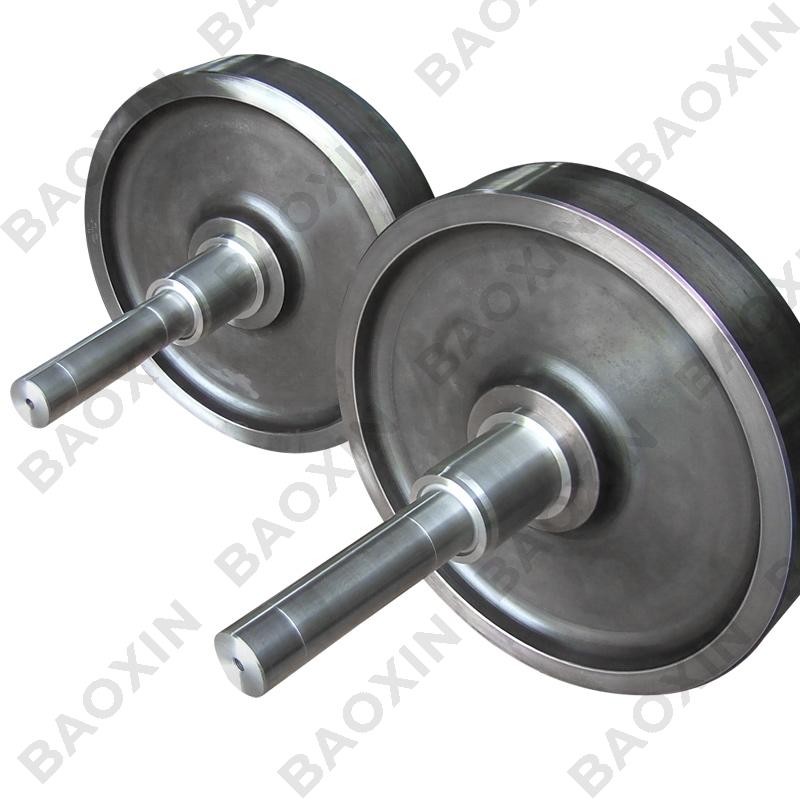
In industrial equipment such as cranes and conveyors, the Crown Wheel and Pinion is commonly used in right-angle transmission scenarios. For instance, in a crane's Crane Sheaves system, pulley blocks redirect the steel cable's direction, while the Crown Wheel and Pinion transmits motor power to the sheave shaft, enabling the lifting and movement of heavy loads. Its high load-bearing capacity and impact resistance make it the preferred solution for industrial transmission applications.
2.3 Agricultural Equipment: Adaptors for Complex Terrain
In agricultural machinery like tractors and combine harvesters, the Crown Wheel and Pinion must withstand muddy, rugged, and other challenging terrains. By optimizing gear materials (e.g., high-strength alloy steel) and heat treatment processes, this component can endure high torque and frequent impacts, ensuring stable operation in harsh environments.
III. Maintenance and Selection Considerations for Crown Wheel and Pinion
3.1 Common Failures and Solutions
Gear Wear: Over time, the tooth surfaces may develop pitting or spalling, necessitating timely replacement of the gear pair.
Insufficient Lubrication: A lack of lubricating oil can cause gear overheating. Regularly check oil levels and replace lubricants that meet standards.
Installation Misalignment: Improper adjustment of the Pinion angle or axial clearance can lead to vibration, requiring calibration with professional tools.
3.2 Key Selection Parameters
Transmission Ratio: Choose an appropriate gear ratio based on equipment requirements to balance speed and torque.
Material Strength: For high-load applications, select alloy steel or carburized steel gears.
Precision Grade: Precision equipment (e.g., robot joints) requires high-precision gears rated ISO 5 or above.

IV. Baoxin: Your Professional Crown Wheel and Pinion Supplier
From automotive differentials to industrial cranes, the performance of the Crown Wheel and Pinion directly affects equipment efficiency and safety. As an industry-leading supplier of mechanical transmission components, Baoxin has deep expertise in gear manufacturing, offering full-service solutions from design and processing to testing. Our Crown Wheel and Pinion products provide the following advantages:
Custom gear ratios for diverse industrial needs.
ISO 9001-certified production with full traceability.
Global logistics support and technical consulting.
Whether optimizing the performance of existing equipment or developing new transmission systems, Baoxin delivers reliable technical support and product solutions. Choose Baoxin for more efficient and safer mechanical transmission!



View More(Total0)Comment lists